Ideas That Move Trade Forward.
Op-eds in national newspapers, in-house research, policy publications, and expert videos - TRACE's full body of published work.
38
Total Insights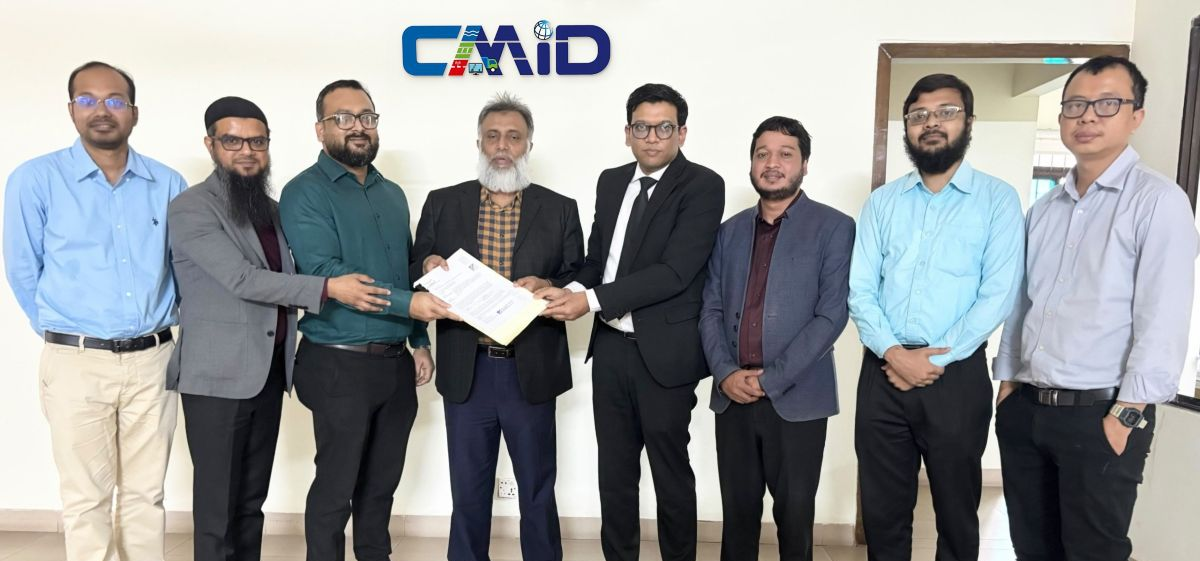
TRACE Signs World Bank-Financed Time Release Study Assignment for Evidence-Based Customs Reform in Bangladesh
TRACE Consulting has signed the contract for the Time Release Study (TRS) at key customs houses of Bangladesh (Package SD-13) under the Customs Modernization and Infrastructure Development (CMID) Project of the National Board of Revenue (NBR), financed by the World Bank under ACCESS – Bangladesh Phase 1. Mr. Md. Masud Sadiq, Senior Trade Facilitation, Customs & Trade Policy Lead at TRACE Consulting and former Member of NBR (Grade-1), will serve as Team Leader. The assignment marks another important milestone for TRACE Consulting as the firm expands its work in customs modernization, trade facilitation, and evidence-based regulatory reform.
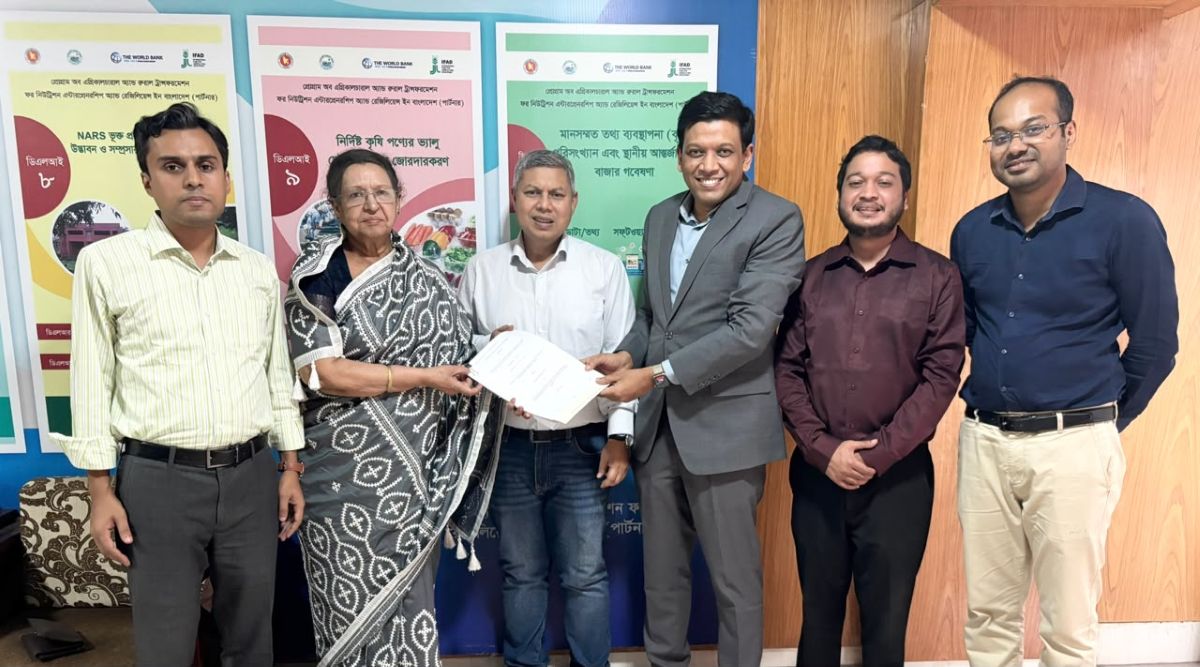
TRACE signed the World Bank–financed TARAPS assignment to help Bangladesh's Ministry of Agriculture repurpose public support for sustainable food systems
TRACE Consulting, in association with TTT Global and BUILD, has signed the consultancy assignment for TARAPS – Technical Assistance for Repurposing of Agricultural Public Support Towards a Sustainable Food Systems Transformation in Bangladesh (Package No. SD/TARAPS-C2-MoA/03). The agreement was signed on 5 October 2026. The assignment is implemented by the Department of Agricultural Extension under the Ministry of Agriculture, Bangladesh, and financed by the World Bank. Through this engagement, TRACE will support the Ministry of Agriculture in strengthening evidence-based agricultural policy and public expenditure management. The work covers a review of existing agricultural policies and programs, analysis of public expenditure and subsidy structures, identification of policy and institutional gaps, development of reform options, and strengthening of systems for policy implementation and monitoring.
Import Policy Order (2026-29) Unofficial English Translation
The Import Policy Order (IPO) 2026–2029 governs virtually every import into Bangladesh, setting out the conditions, procedures, restrictions, exemptions, and other requirements that importers, businesses, foreign investors, and compliance teams need to navigate. Yet the IPO was gazetted in Bangla only, without an English translation released alongside it. This is not a new problem. The previous Import Policy Order 2021–2024 also did not have an English translation released, creating continued difficulty for importers and businesses that rely on an accurate English text to understand and comply with import requirements. Without a reliable English version, importers often have to depend on translators or machine translation to interpret complex provisions. This can lead to misunderstanding of conditions, HS-code requirements, documentation obligations, exemptions, and other compliance requirements, resulting in avoidable delays and uncertainty. To help address this gap, our team at TRACE Consulting has prepared a complete, clause-by-clause unofficial English translation of the Import Policy Order 2026–2029.
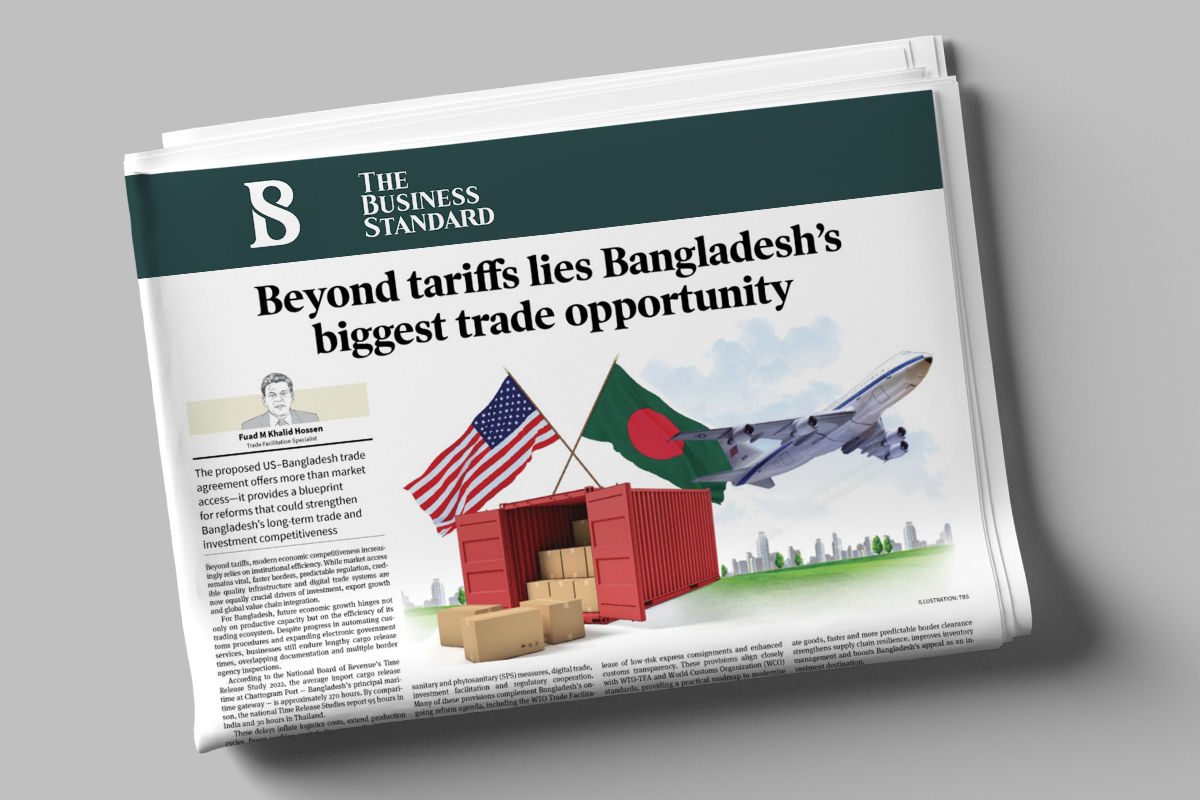
Beyond Tariffs Lies Bangladesh's Biggest Trade Opportunity
Published in The Business Standard on 16 July 2026, the article examines how the U.S.–Bangladesh Agreement on Reciprocal Trade (ART) can deliver benefits that extend well beyond tariffs and market access. Its provisions can help accelerate trade facilitation, customs modernization, risk-based border management, science-based SPS systems, digital trade, regulatory reform and investment facilitation. By advancing pre-arrival processing, paperless trade, the Bangladesh Single Window, internationally recognized certification and more predictable regulatory procedures, the Agreement can reduce trade costs, strengthen supply chains and improve the business environment. Effective implementation can also enhance the credibility of Bangladeshi exports, attract investment and strengthen the country's competitiveness and integration into global value chains. Bangladeshi exports, attract investment and strengthen the country's competitiveness and integration into global value chains.
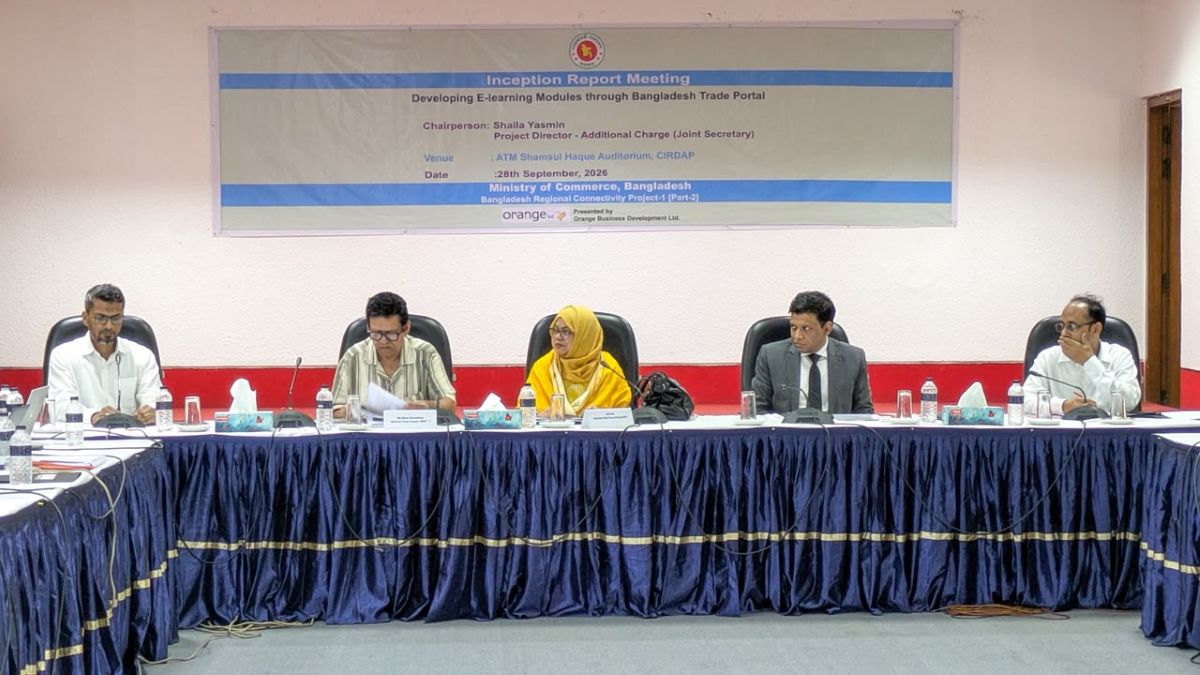
TRACE Consulting organized the Inception Event for the Ministry of Commerce’s Bangladesh Trade Portal E-Learning Modules
TRACE Consulting provided technical and logistical support for the Inception Workshop on the development of more than 20 bilingual, interactive e-learning modules through the Bangladesh Trade Portal (BTP), held on 28 September 2026 at CIRDAP. The initiative, under the World Bank-financed Bangladesh Regional Connectivity Project-1 (BRCP-1), aims to strengthen trade knowledge and expand access to practical information on WTO agreements, trade policies, import-export procedures, compliance requirements, and trade facilitation measures. Through this initiative, TRACE Consulting is contributing to strengthening the capacity of traders, regulators, SMEs, and other trade stakeholders, while supporting a more informed, efficient, and digitally enabled trade ecosystem in Bangladesh.
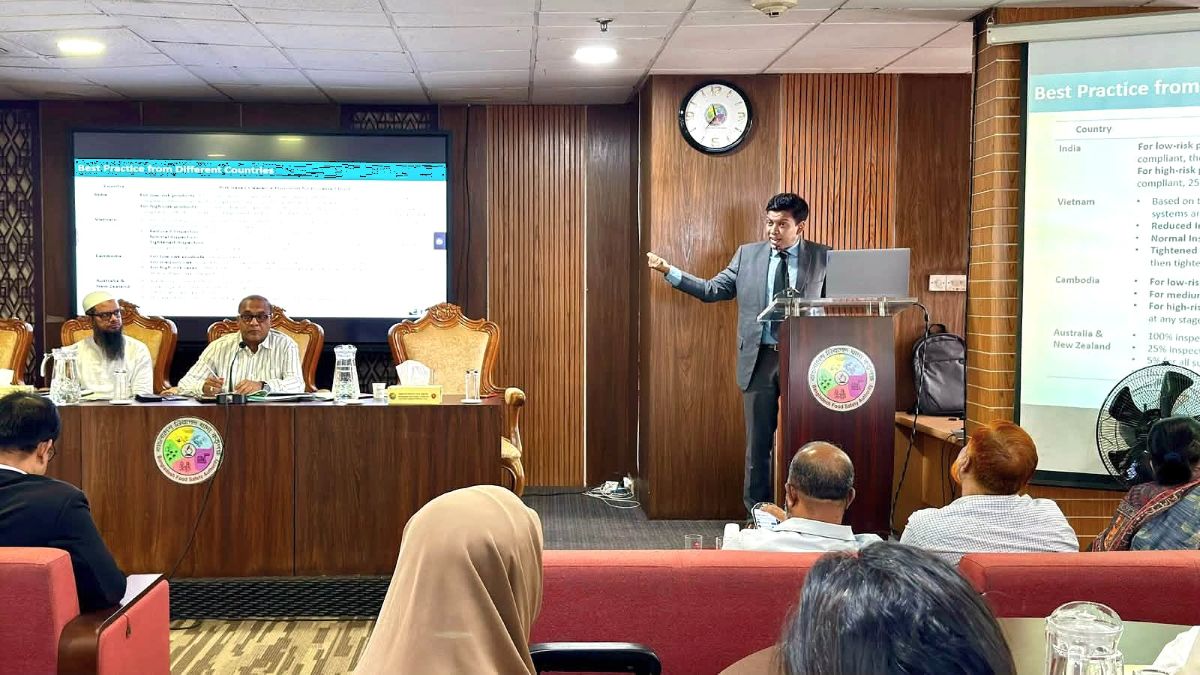
TRACE joined the Finalization Workshop on the Electronic Governance of Safe Food Import Guidelines, organized by the Bangladesh Food Safety Authority (BFSA), as key discussants
On 24 September 2026, the Bangladesh Food Safety Authority (BFSA) held a stakeholder workshop to finalize the Electronic Governance of Safe Food (Import) Guidelines, 2026. TRACE Consulting's CEO, Fuad M. Khalid Hossen, and Head of Trade Facilitation, Mohammed Mahraj-ul-Alam Samrat, joined as invited discussants. The Guidelines build on work TRACE led under the former USDA BTF Project, including BFSA's NFIIMS platform. Once implemented, they are expected to cut average food clearance time from about 15 days to just a few.
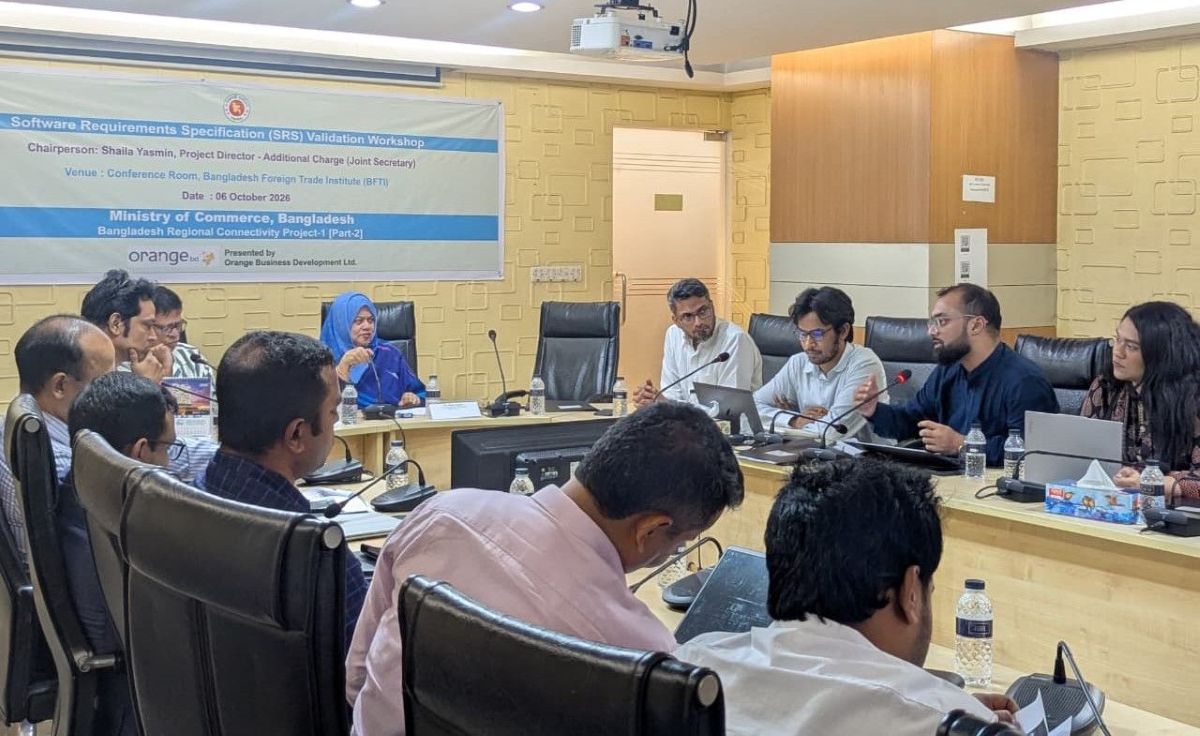
From SRS to Shared Vision: Validating the Bangladesh Trade Portal E-Learning Platform
Building the Bangladesh Trade Portal e-learning platform, together with its stakeholders. TRACE held its SRS Validation Workshop for SD-59 package under the World Bank-financed Bangladesh Regional Connectivity Project-1 (BRCP-1) of the Ministry of Commerce. On October 6th, 2026, TRACE held the SRS Validation Workshop. It brought the Software Requirements Specification for the platform in front of the people who will rely on it. The aim was to confirm that the system's requirements reflect real needs before development begins. Representatives from the stakeholders gave feedback on key areas, including system user roles, platform features, content structure, etc.
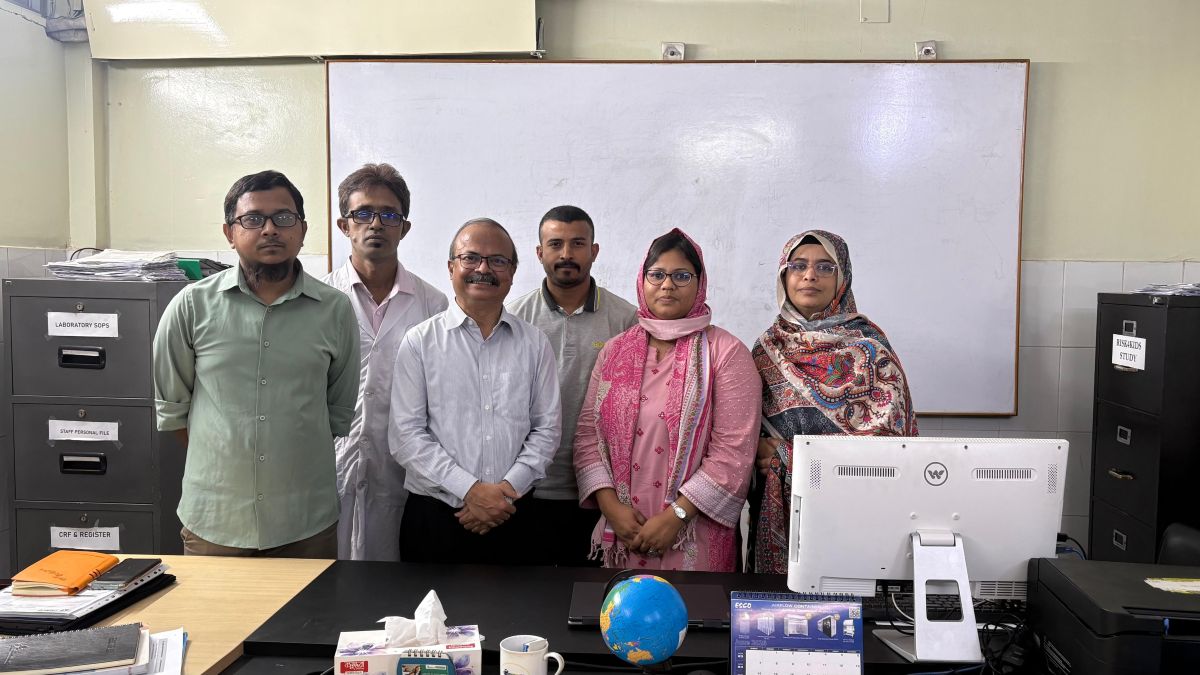
Technical Visit for Laboratory Readiness Evaluation for ISO/IEC 15189 accreditation
An official technical visit was conducted on 3-4 October 2026 to perform a comprehensive on-site laboratory readiness evaluation and review existing quality management practices under the Fondation Mérieux initiative. The assessment took place at the Bangladesh Institute of Tropical and Infectious Diseases (BITID), engaging the facilities of the Rodolphe Mérieux Laboratory (RML). This strategic initiative focuses on evaluating the alignment between documented procedures and actual practices, ensuring that key testing areas, including hematology & clinical pathology, biochemistry & immunology, and microbiology, meet stringent quality standards.
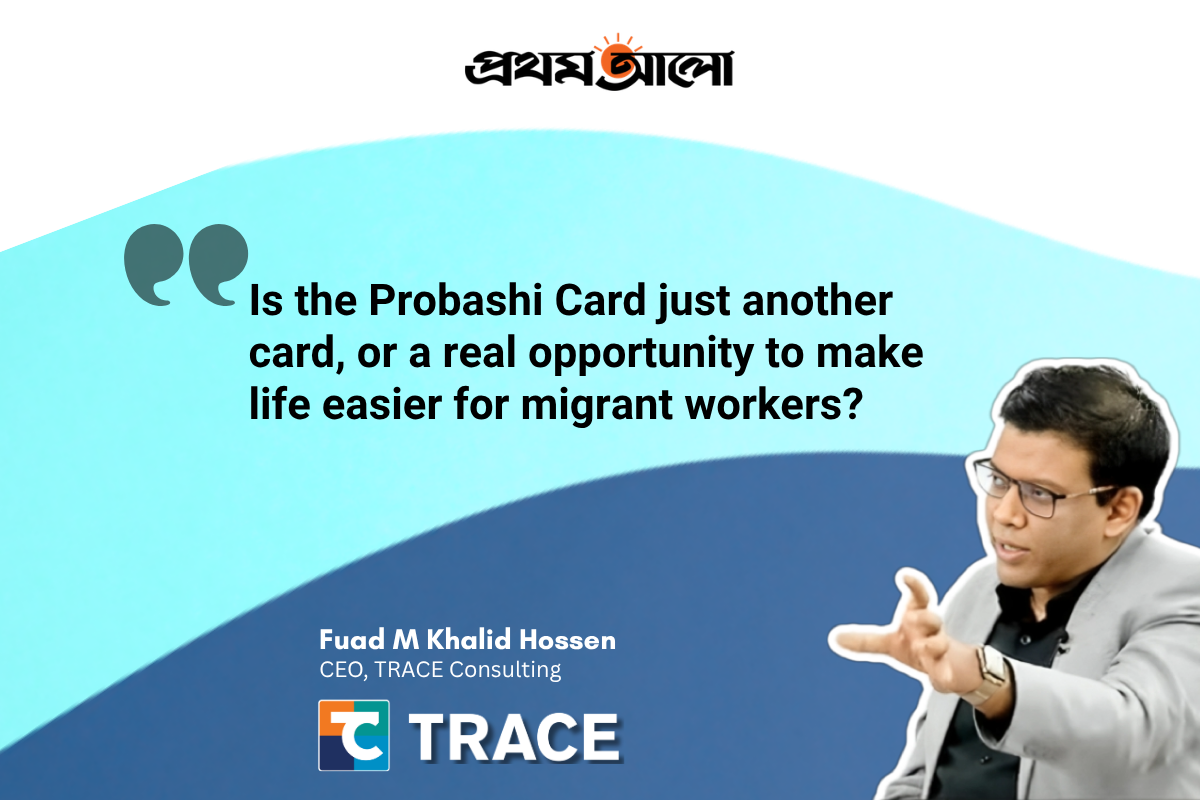
Can the Expatriate Card Bring Positive Changes to the Migration and Remittance System?
The article explores how Bangladesh’s proposed Expatriate Card could transform the country’s migration and remittance ecosystem. It argues that the card should go beyond being a financial tool and serve as an integrated digital platform covering the entire migrant worker journey from verified overseas employment and skills development to protection abroad, remittance services, and reintegration after returning home. The article also highlights the importance of making formal remittance channels more convenient and rewarding than informal systems such as hundi while using migrants’ financial and professional profiles to support access to banking, investment, employment, and entrepreneurship opportunities.
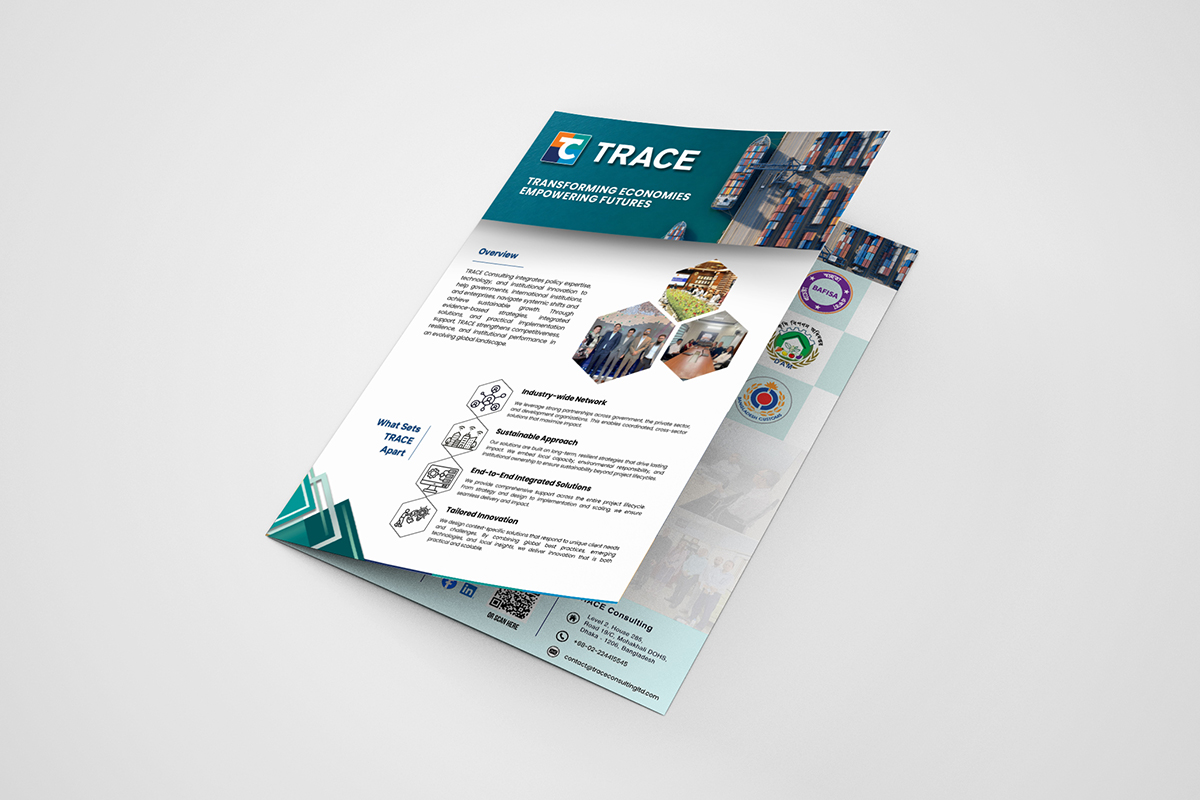
TRACE Consulting : Transforming Economies-Empowering Futures
TRACE Consulting bridges policy, technology, and trade innovation to unlock inclusive, sustainable growth for emerging and transitioning economies. We work with governments, development partners, and businesses to redesign regulatory systems, streamline trade processes, and deploy digital solutions that reduce friction and expand market access. Through rigorous research, data-driven diagnostics, and hands-on implementation support, we help institutions strengthen competitiveness, build resilience, and translate complex reforms into measurable economic and social impact.

Why Bangladesh urgently needs an Electronic Trade Facilitation Act
Bangladesh’s paper-based, fragmented trade ecosystem slows port clearance, inflates business costs, and erodes export competitiveness. An Electronic Trade Facilitation Act would establish an “electronic by design” legal framework that mandates end-to-end digital processing of permits, certificates, and declarations across all border agencies. By requiring full integration into the Bangladesh Single Window, the Act would enable real-time data sharing, risk-based controls, and coordinated inspections, replacing manual paperwork with predictable, transparent digital trade lanes. This transformation is critical for sustaining post-LDC growth, attracting investment, and ensuring that exporters, especially SMEs, can compete in faster, more technology-driven regional and global markets
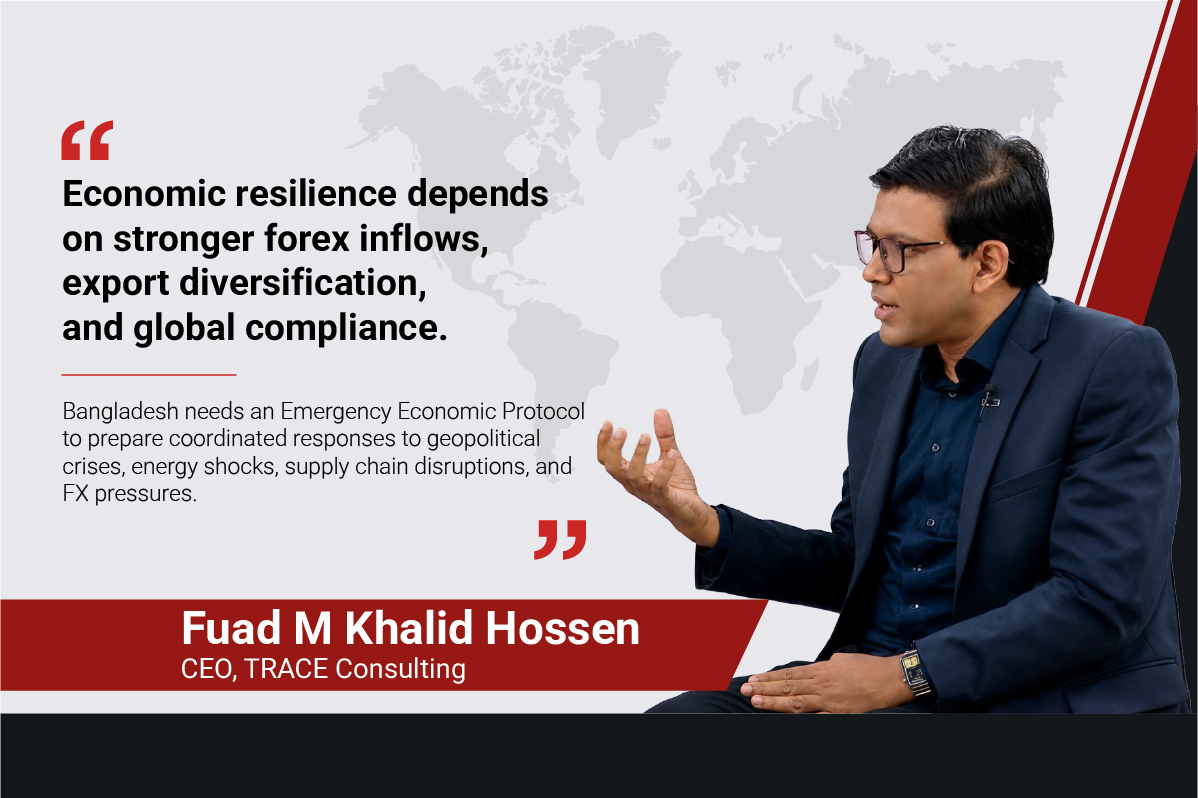
Sustainable economic stability requires structural reform, not merely exchange-rate management
Bangladesh's long-term economic stability depends on structural reforms beyond exchange-rate management. Priorities include strengthening formal remittance channels through initiatives like the Probashi Card, improving foreign exchange resilience, and addressing slowing industrial growth. Enhancing export competitiveness requires compliance-driven diversification, stronger trade facilitation, and manufacturing aligned with global regulatory standards. Establishing an Emergency Economic Protocol would also enable a coordinated response to future external economic shocks.

From Red Tape to Fast Lanes: New import policy order could turbo-charge Bangladesh trade
Bangladesh’s upcoming Import Policy Order (IPO) is a chance to reset how the country manages imports, shifting from blanket controls to modern, risk-based regulation. A forward-looking IPO can streamline approvals, remove outdated testing and licensing requirements, and embed on science-based standards that protect consumers without choking off trade. By targeting high-risk products, digitizing permits and clearances, and harmonizing rules with key trading partners, the IPO can reduce compliance costs, shorten port dwell times, and lower prices for essential goods such as food, medicines, and industrial inputs. A transparent, predictable, and digitally accessible IPO would strengthen investor confidence, support export diversification, and help position Bangladesh as a more agile, trade-enabled economy.

Export Earnings Rose in April, But Long-Term Challenges Still Need Solutions
Competitiveness in today’s global market is increasingly driven by innovation, resilience, and strategic adaptability rather than low-cost production alone. This discussion focused on how diversification, efficiency improvements, and proactive policy actions can support long‑term economic stability and growth. It also examined the risks of over‑reliance on a few export sectors and highlighted how targeted trade facilitation reforms can help Bangladesh capture higher-value opportunities in regional and global value chains.
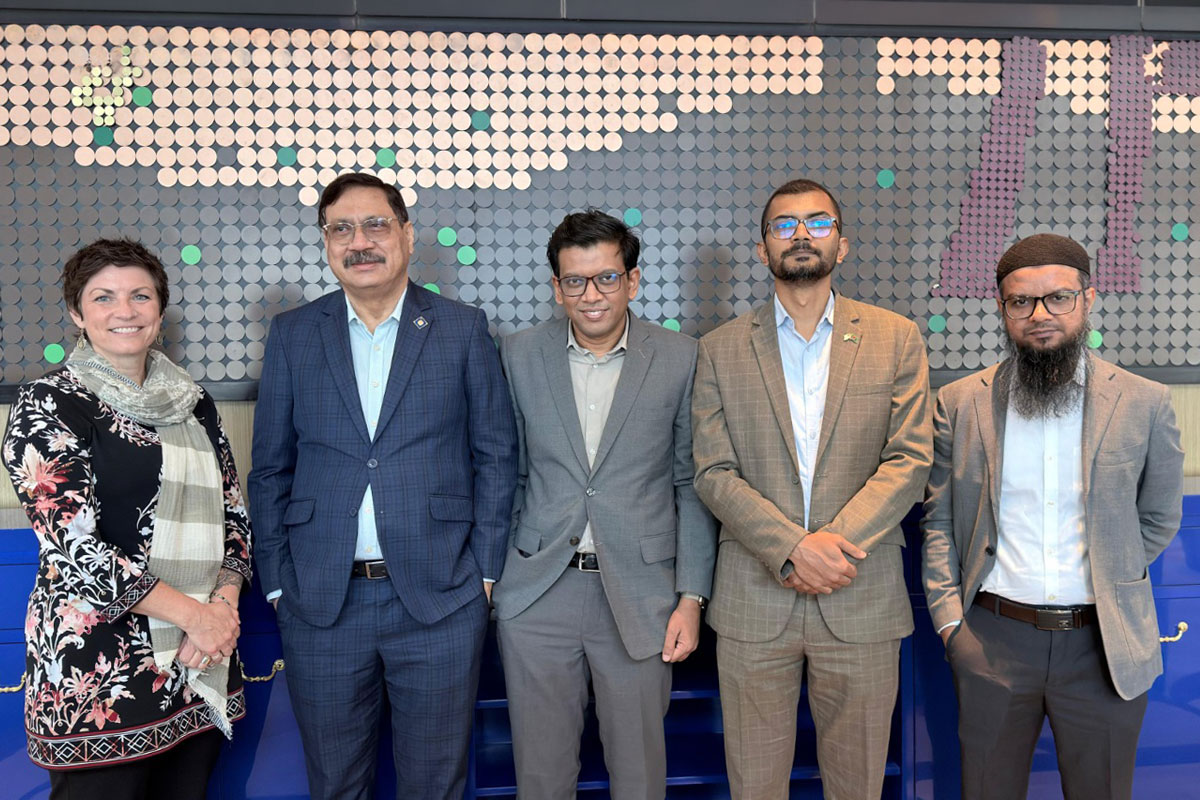
TRACE Engages AmCham Bangladesh to Drive Investment and Business Climate Reforms
TRACE recently attended a highly productive meeting with the American Chamber of Commerce in Bangladesh (AmCham) to discuss critical trade and investment issues. The session brought together Mr. Syed Ershad Ahmed, the former President of AmCham Bangladesh, alongside key members of the AmCham team. This discussion served as a valuable platform to exchange views on practical reforms aimed at enhancing Bangladesh’s competitiveness.
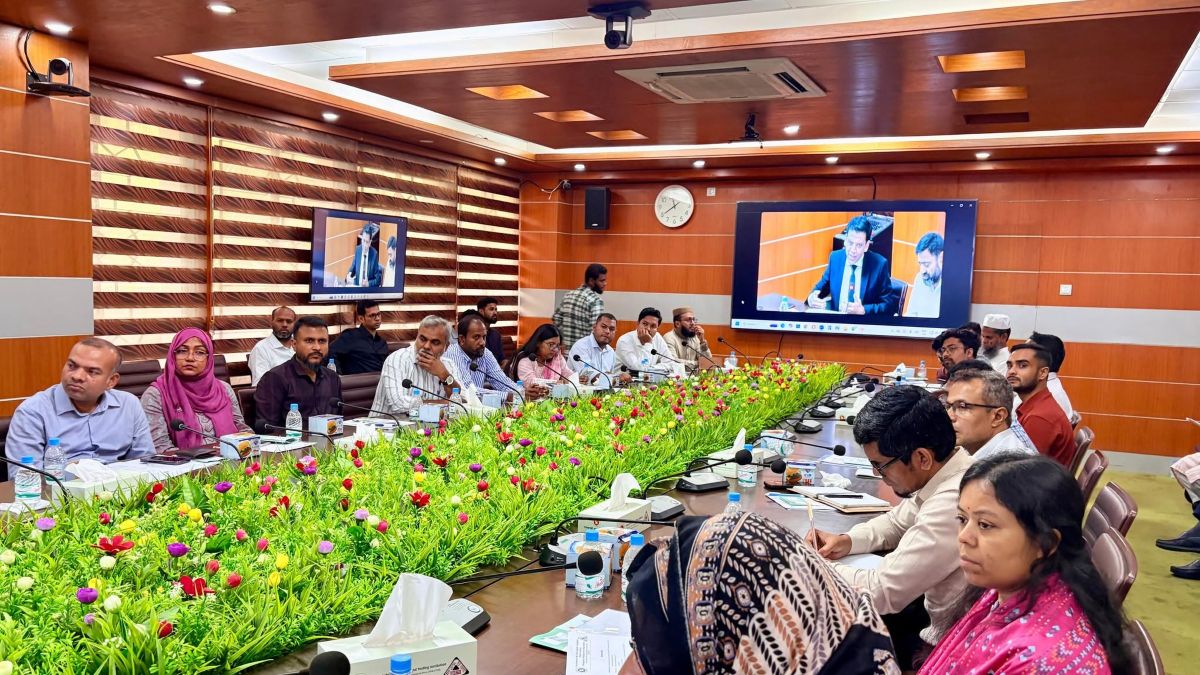
Modernizing BSTI’s Textile Testing for Global Export Standards
A high-level stakeholder engagement workshop, organized by TRACE Consulting, took place at the Bangladesh Standards and Testing Institution (BSTI) to unveil a strategic assessment on strengthening textile and apparel testing capabilities.
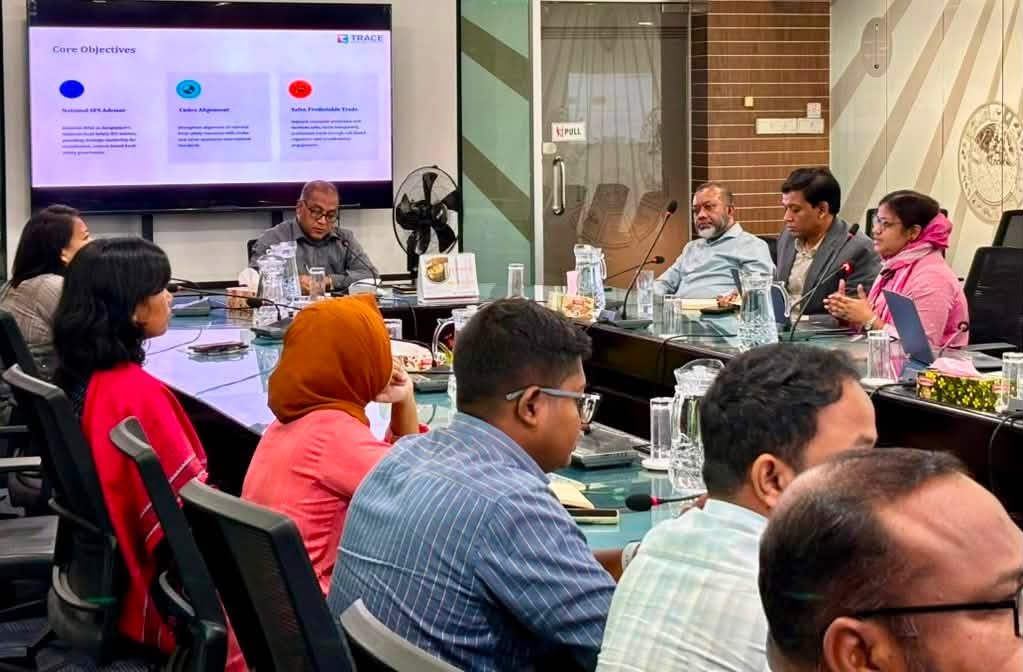
TRACE Consulting Meets BFSA to Strengthen Bangladesh's Food Safety and Regulatory Systems
TRACE Consulting recently met with the senior officials of the BFSA (বাংলাদেশ নিরাপদ খাদ্য কর্তৃপক্ষ - Bangladesh Food Safety Authority) to discuss opportunities for strengthening Bangladesh's food safety ecosystem and regulatory framework.

Why Are Gold Prices Rising, and What Should Investors Consider?
The historic rise in gold prices in Bangladesh underscores the growing influence of global economic conditions on local markets. The discussion highlights the frequent price hikes observed this year and examines key international drivers, including rising global gold prices, possible Fed rate cuts, and central bank buying trends. It also discusses the broader economic impact, particularly the shift of investors from equities toward more secure assets such as gold.

Government Target: Achieving a Trillion-Dollar Economy by 2034
A discussion on Bangladesh’s strategic pathway toward achieving a trillion-dollar economy by 2034, emphasizing the need for structural reforms, institutional efficiency, banking sector resilience, export diversification, and compliance-driven industrial transformation. The discussion further highlighted the importance of effective policy implementation, regulatory accountability, and productivity-led competitiveness to ensure sustainable long-term economic growth and global market integration.

Foreign Investment Increased by 202% in the Third Quarter
Bangladesh’s recent rise in foreign direct investment (FDI) presents a complex picture, with strong headline figures contrasting against ongoing concerns about the investment climate. The analysis highlights that much of the increase has been driven by reinvested earnings from existing investors rather than new greenfield investments. It also outlines structural challenges such as policy uncertainty, foreign exchange constraints, and regulatory barriers that continue to affect both new and local investors.

Bangladesh’s Garment Industry: Adapting to U.S. Tariff Changes and Global Competition
Bangladesh’s garment industry is navigating a changing global trade environment, including evolving U.S. tariff measures, weaker external demand, and intensifying competition. The discussion examined the sector’s competitiveness, export-market challenges, and the importance of trade facilitation, market diversification, and policy reforms to strengthen Bangladesh’s long-term export position.

Advising the Use of Lobbyists to Revive the Economy: What Is the Process?
The discussion focuses on the critical challenges and opportunities surrounding Bangladesh’s LDC graduation, particularly the impact of inconsistent policy messaging on global perception. It highlights the risks of sending mixed signals to investors and international partners, despite Bangladesh already meeting the UN graduation criteria. A confident and coordinated national strategy is presented as essential for strengthening economic diplomacy and ensuring sustainable economic progress.

Initiative for a Trade Agreement with the European Union
This video highlights the importance of an FTA to maintain duty-free access to the EU after LDC graduation. It explains the EU’s major role in Bangladesh’s exports and the risk of the RMG sector losing GSP+ benefits. The discussion also covers how an FTA can boost market access, investment, and technology transfer. It emphasizes the need to carefully manage labor, environmental, and IP-related conditions.

Bangladesh–U.S. Trade: Competitiveness and the Future of Bangladesh’s Exports
A discussion on Channel 24’s “Business 24” examined Bangladesh’s export competitiveness in the context of evolving Bangladesh–U.S. trade relations and the changing global trade environment. The segment explored Bangladesh’s position relative to competing exporting countries, post-LDC graduation challenges, market access, and the growing importance of export diversification and competitiveness.

Impact of Extended Radiation Testing Time on the Prices of Essential Goods
A discussion on Channel 24 examined how Bangladesh’s mandatory dual-stage radiation testing for imported food products is increasing import costs, causing delays, and contributing to higher prices of essential commodities. The segment also highlighted the need for science-based, internationally aligned import regulations to improve trade facilitation and reduce consumer costs.

Enhancing Laboratory Capabilities: Technical Support for ISO/IEC 17025:2017 Accreditation at Fishtech Laboratory
An official agreement signing ceremony took place on 22 September 2026 between TRACE Consulting and Fishtech (BD) Limited, having its wing at Fishtech Laboratory. This strategic partnership marks the beginning of a dedicated initiative to upgrade their testing capabilities and elevate operational standards.

Bangladesh’s Trade Competitiveness: Navigating the U.S. Tariff Issue and Global Trade Challenges
An analysis aired on Channel 24 examined the evolving trade challenges facing Bangladesh amid changes in U.S. tariff policy and an increasingly competitive global trade environment. The discussion focused on Bangladesh’s non-tariff barriers, slow trade facilitation reforms, export concentration in the RMG sector, and the need for faster policy modernization, export diversification, and stronger compliance systems to improve the country’s long-term competitiveness.
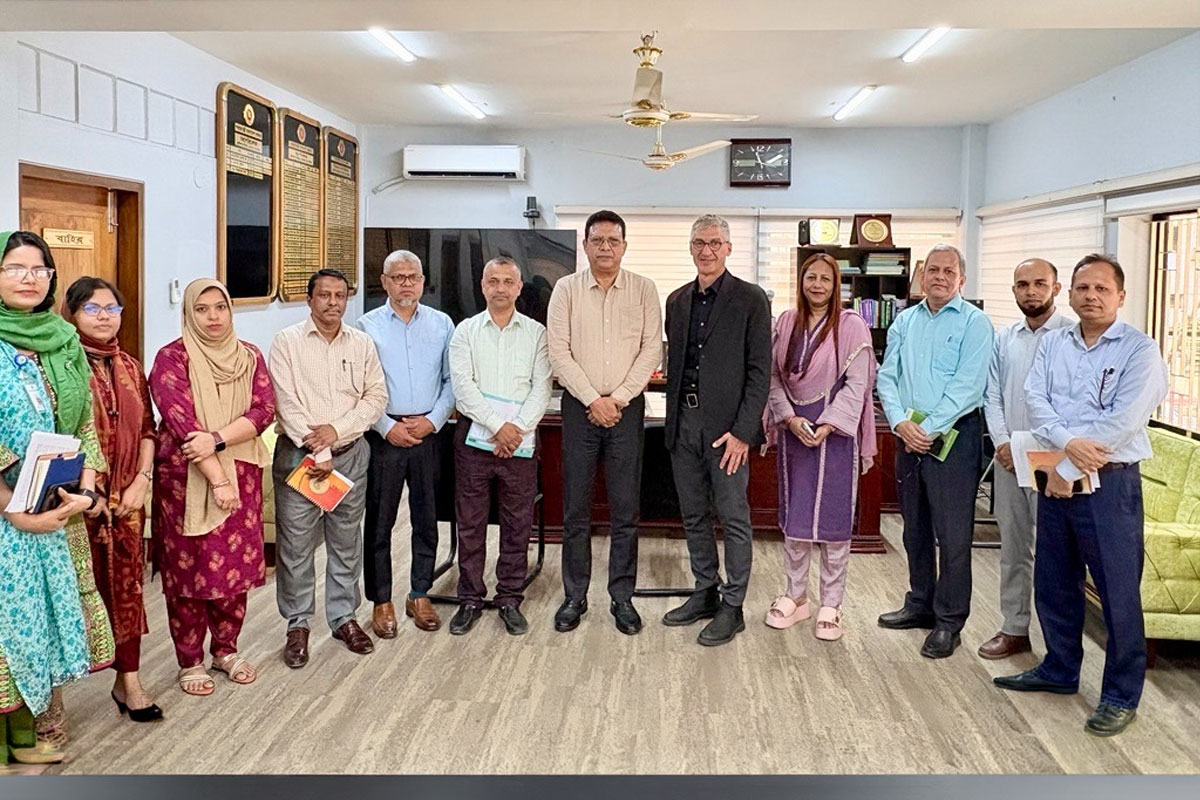
Modernizing Agro-Trade: The Department of Livestock Strategic Dialogue
Advancing key sector reforms, TRACE Consulting convened a high-level strategic session with the leadership of the Department of Livestock Services (DLS) recently. This collaborative executive session focused on actionable strategies to accelerate the digital transformation of livestock trade-related services and implement robust, risk-based inspection frameworks.

Import Regulations, Customs and Compliance Support for the Livestock Sector
TRACE Consulting provides specialized customs, regulatory, and trade support for livestock and animal health supply chains, covering import–export regulations, certification, and quality management systems for feed, vaccines, veterinary inputs, and related products. Our team helps businesses and public agencies interpret evolving rules, prepare audits, and design compliance programs that minimize delays, manage risk, and keep critical inputs flowing. By aligning documentation, border procedures, and private sector practices with international standards, we enable smoother market access and more resilient livestock value chains.

Trade or dumping? Bangladesh and India's $8bn trade imbalance, explained
Bangladesh's trade deficit with India reached nearly $8 billion in FY2024–25, sparking debate over whether the growing imbalance is driven by unfair trade practices or broader economic realities. While manufacturers have accused Indian exporters of dumping low-priced goods, trade experts say there is no official evidence to support such claims under WTO rules. Instead, they attribute the gap to India's larger production capacity, lower manufacturing costs, and Bangladesh's narrow export base. Experts argue that reducing the deficit will require expanding Bangladesh's exports, improving domestic competitiveness, addressing non-tariff barriers, and diversifying strategic imports rather than simply restricting trade.
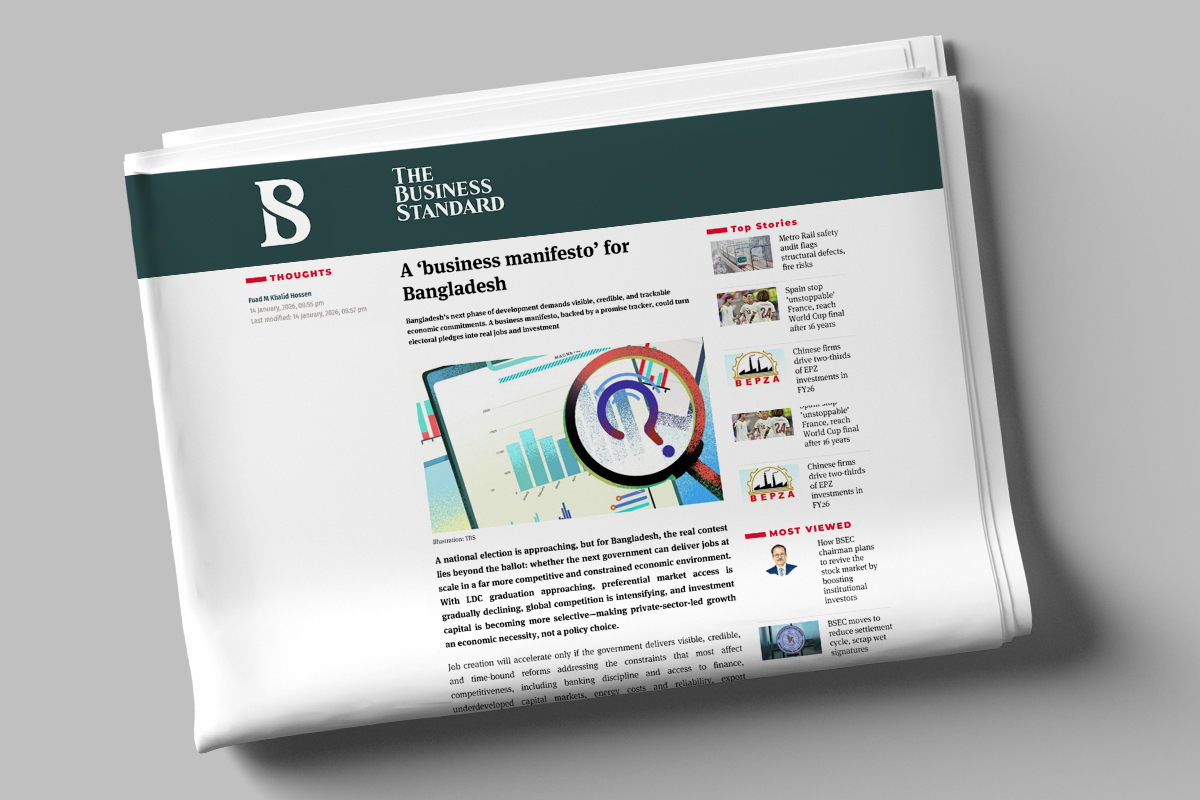
A ‘business manifesto’ for Bangladesh
As Bangladesh approaches a national election and prepares for LDC graduation, sustained economic growth will depend on stronger private-sector investment and job creation. Experts argue that political parties should adopt a business manifesto with clear, measurable, and time-bound commitments addressing banking reform, trade facilitation, energy, logistics, SME development, export diversification, and capital market reforms. A transparent promise tracker would ensure these commitments remain accountable after elections by monitoring progress and delivery. Together, a business manifesto and promise tracker could strengthen investor confidence, improve policy credibility, attract long-term investment, and help Bangladesh achieve sustainable, competitive, and inclusive economic growth.
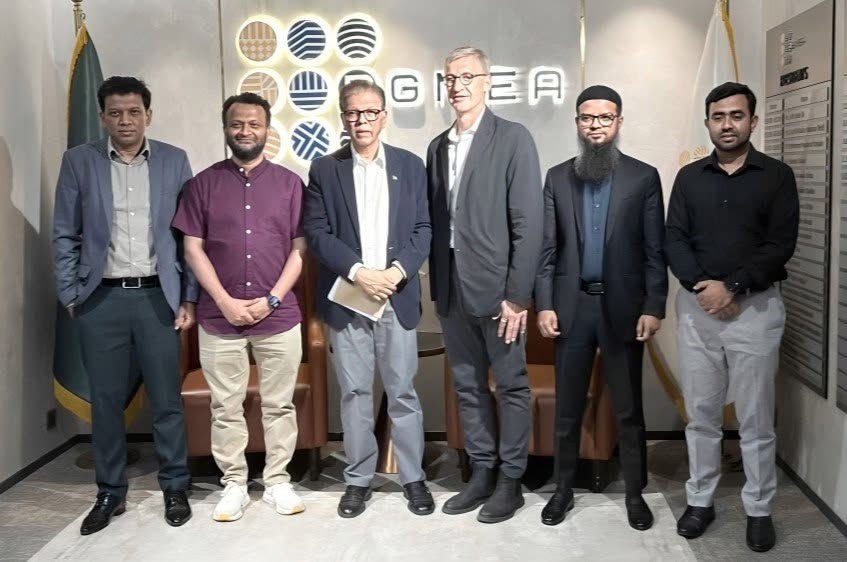
TRACE Consulting Engages BGMEA on the Future of Bangladesh's Garment Trade
TRACE Consulting recently met with the Bangladesh Garment Manufacturers and Exporters Association (BGMEA) to understand the garment industry's priorities for trade, regulatory, and market-access reforms. Mr. Inamul Haq Khan, Senior Vice President of BGMEA, and Mr. Sheikh Hossain Muhammad Mustafiz, Director of BGMEA, joined TRACE Consulting to discuss the garment industry's priorities for trade and regulatory reform.
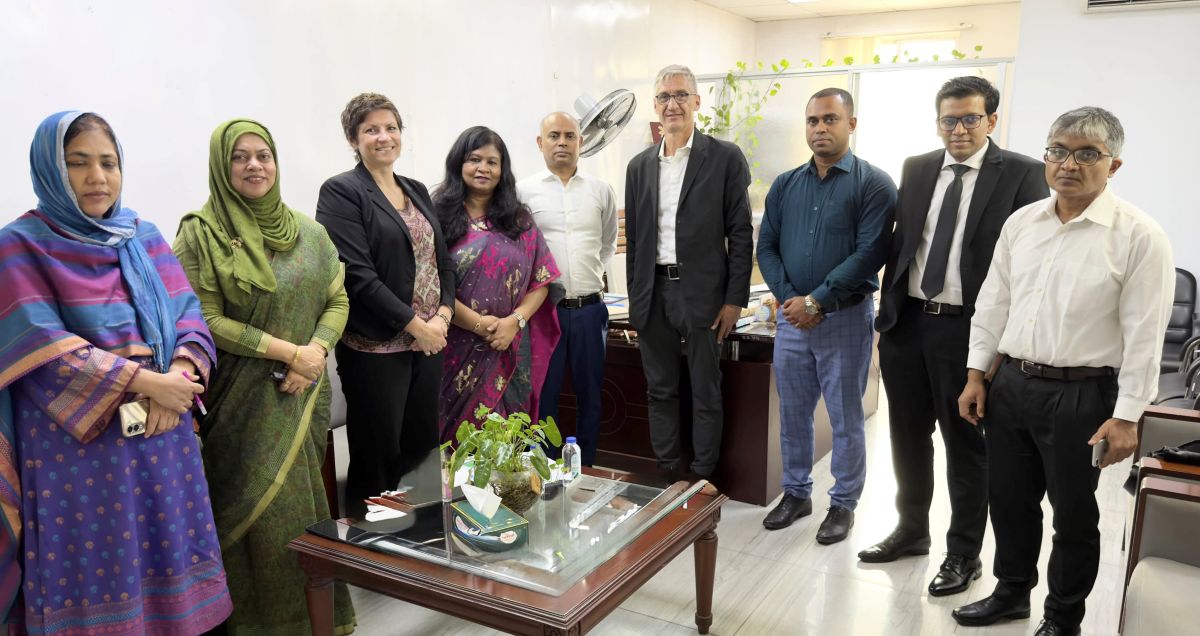
TRACE Consulting Discusses WTO Trade Facilitation Priorities with Ministry of Commerce
The TRACE Consulting team recently met with senior officials of the Ministry of Commerce to discuss Bangladesh’s WTO Trade Facilitation Agreement (TFA) implementation priorities and explore opportunities for continued collaboration.

Rising Fuel and LPG Prices: A Special Discussion on the Cost of Living
Bangladesh is experiencing growing economic strain as rising fuel prices continue to affect daily life and business operations. This discussion explored inflation & supply chains while underscoring the need for strategic policy reforms, market monitoring, and coordinated support mechanisms while exploring how transport costs, electricity tariffs, and household energy spending are changing, and considers what targeted social protection, smarter subsidies, and energy efficiency measures could shield vulnerable communities and small businesses from further shocks.

Strategic Quality, Customs, and Trade-related Consultancy for the Animal Health and Nutrition Sector
TRACE Consulting, a firm that assists the animal health and nutrition sector with international trade, customs, and quality compliance. The firm helps businesses and governments navigate complex regulations, implement international standards (like GMP, HACCP, and ISO), resolve customs disputes, and secure market access to reduce port delays and trade barriers.

Strengthening Bangladesh’s Investment Competitiveness: Key Priority Reforms
The discussion focuses on the critical need to improve Bangladesh’s attractiveness as a destination for foreign direct investment. It highlights how policy predictability, investor-friendly regulations, streamlined "plug-and-play" investment environments, and reliable energy access can boost investor confidence and support sustainable economic growth. The session also addresses persistent bottlenecks, including bureaucratic delays, contract enforcement challenges, and infrastructure gaps, while showcasing successful examples of reform. Finally, it considers how better coordination among public agencies can unlock higher-quality, long-term investments across key sectors.

Unlocking Animal Health & Nutrition Ecosystems to Power National Growth
Bangladesh’s livestock, poultry, and fisheries sectors are pillars of food security, rural incomes, and nutrition, yet they depend on an animal health ecosystem that faces supply bottlenecks, regulatory uncertainty, and uneven service quality. As demand for animal-source foods rises, the country must ensure reliable access to vaccines, feed, diagnostic services, and veterinary expertise, all delivered through efficient and predictable trade and regulatory systems. Modernizing import procedures, clarifying standards, and strengthening coordination between regulators and the private sector can reduce delays, stabilize supply chains, and encourage long-term investment in animal health and nutrition. With the right policy and institutional reforms, Bangladesh can unlock a more resilient animal health ecosystem.

Let's Build Your Next-Generation Laboratory
TRACE Consulting is a specialized technical advisory firm dedicated to transforming food, agricultural, chemical, and diagnostic laboratories into globally compliant, high-performance testing facilities. We bridge the gap between technical excellence and international trade requirements through comprehensive solutions, including ISO accreditation (ISO/IEC 17025 and ISO 15189), Laboratory Information Management Systems (LIMS), method validation, and Good Laboratory Practice (GLP) implementation. Through tailored strategies and sustainable quality management practices, TRACE Consulting empowers laboratories to enhance operational efficiency, ensure the reliability and integrity of analytical results, strengthen regulatory compliance, and expand access to global markets. Our approach goes beyond standard solutions, fostering a lasting culture of quality, continuous improvement, and technical excellence.
Have a project in mind? Let's build something that lasts
Whether reforming a regulatory system, building technical
capacity, or modernising digital infrastructure, we would like to
hear from you.