


Transforming Challenges into Strategic Opportunities
TRACE Consulting integrates policy expertise, technology, and institutional innovation to help governments, international institutions, and enterprises navigate systemic shifts and achieve sustainable growth. Through evidence-based strategies, integrated solutions, and practical implementation support, TRACE strengthens competitiveness, resilience, and institutional performance in an evolving global landscape. What sets TRACE apart:
Integrated Systems & Tailored Innovation
We architect end-to-end solutions that bridge international standards with localized intelligence. From high-level strategic planning to digital implementation, we deploy technology-driven frameworks that evolve with shifting market and institutional needs.
Multilateral Strategic Network
We leverage an extensive ecosystem of partners across government, the private sector, academia, and global development organizations. This collaborative network enables coordinated cross-sector engagement, stronger institutional alignment, and integrated solutions that drive sustainable transformation and measurable economic impact.
Sustainable and Resilient Impact
Our solutions are built on long-term, resilient strategies that create lasting value. By embedding local capacity, institutional ownership, and sustainable practices, TRACE helps ensure impact beyond project lifecycles.

Our Core Services
TRACE delivers consultancy, research, and advocacy services to support governments and businesses in advancing policy and regulatory reform.

Advancing Cross-Border Trade and Customs Modernization
TRACE delivers technology-driven trade facilitation, trade policy reform, digital transformation, and institutional strengthening to modernize cross-border trade, accelerate border clearance, reduce the time and cost of...
Read More ›
Precision in Every LAB Solution
TRACE modernizes laboratory systems through technical advisory, LIMS implementation, ISO accreditation, GLP compliance, and capacity building, enabling quality assurance, regulatory compliance, and trusted data for globa...
Read More ›
Evidence-Based Policy & Legislative Reform
TRACE advances evidence-based policy and regulatory reform, helping governments modernize legislation, strengthen institutions, and align national frameworks with international best practices.
Read More ›
Transforming Systems through Smart Technology Solutions
TRACE deploys advanced digital platforms and automation systems, seamlessly integrating technology with institutional reform to streamline workflows, strengthen regulatory performance, and accelerate cross-border trade.
Read More ›
Cold chain Solutions for Sustainable Trade
TRACE takes a holistic approach to the management of the cold chain ecosystem, covering activities including production, aggregation, processing, storage, transportation, and distribution; providing technical assistance...
Read More ›
In-Depth Trade, Economic & Development Research & Innovation
TRACE strengthens institutional capacity through targeted training, policy research, and technology-driven innovation, enabling public and private stakeholders to adopt sustainable international best practices.
Read More ›Our Projects
TRACE has delivered trade facilitation reform, laboratory accreditation, digital systems, and policy advisory projects across South Asia for governments, development banks, and regulatory bodies.




News & Features
 EVENT
EVENT
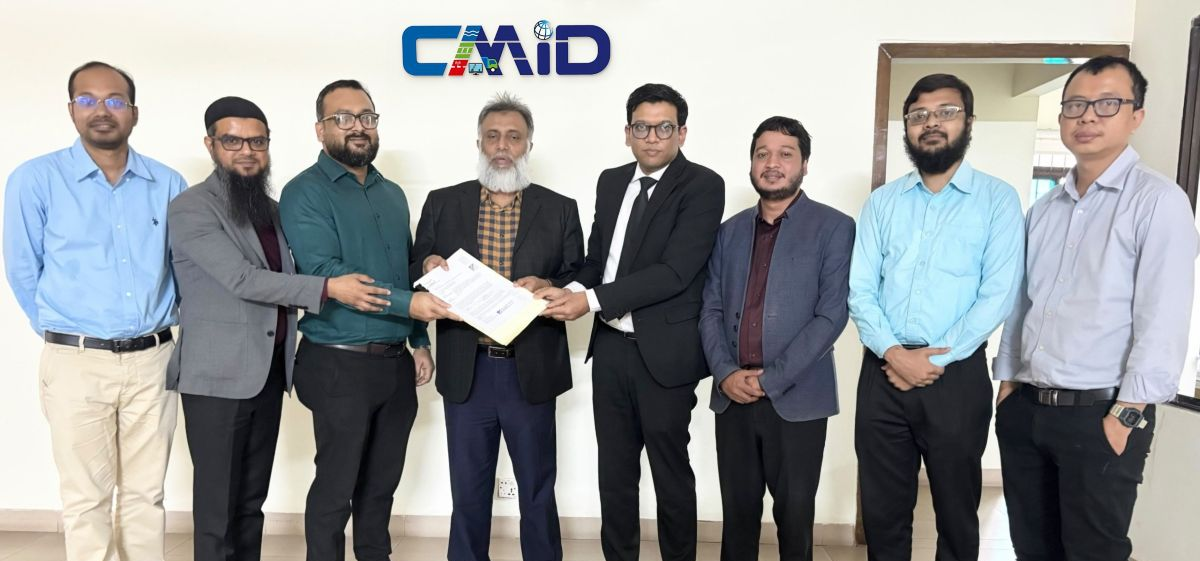
TRACE Signs World Bank-Financed Time Release Study Assignment for Evidence-Based Customs Reform in Bangladesh
TRACE Consulting has signed the contract for the Time Release Study (TRS) at key customs houses of Bangladesh (Package SD-13) under the Customs Modernization and Infrastructure Development (CMID) Project of the National Board of Revenue (NBR), financed by the World Bank under ACCESS – Bangladesh Phase 1. Mr. Md. Masud Sadiq, Senior Trade Facilitation, Customs & Trade Policy Lead at TRACE Consulting and former Member of NBR (Grade-1), will serve as Team Leader. The assignment marks another important milestone for TRACE Consulting as the firm expands its work in customs modernization, trade facilitation, and evidence-based regulatory reform.
 EVENT
EVENT
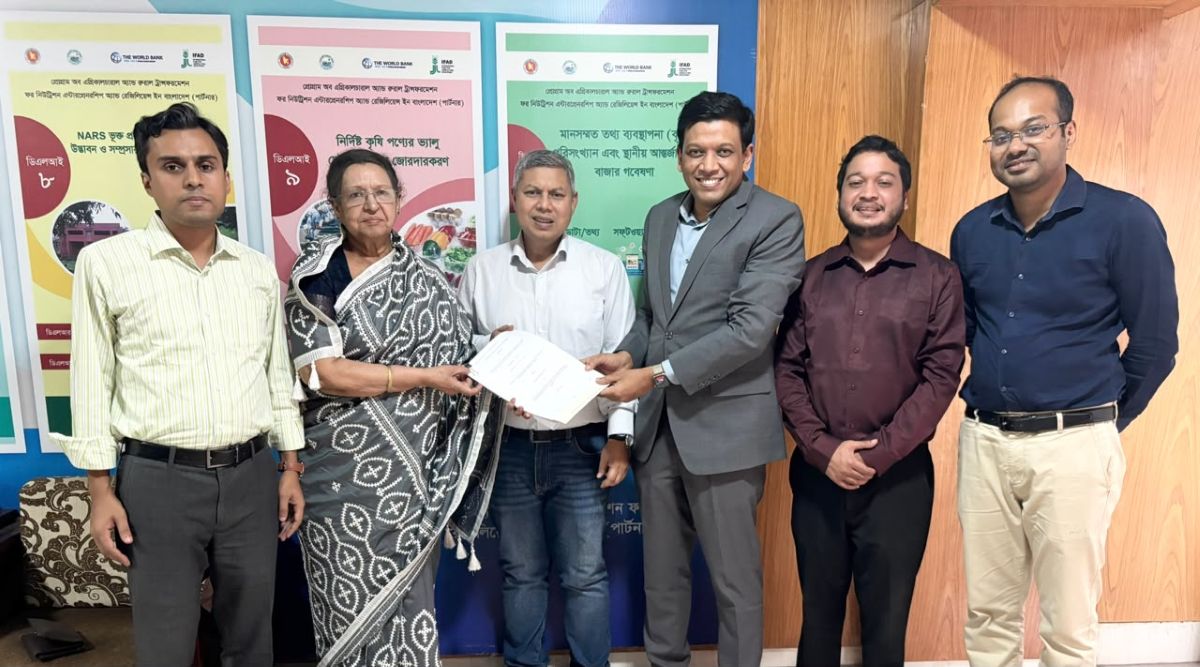
TRACE signed the World Bank–financed TARAPS assignment to help Bangladesh's Ministry of Agriculture repurpose public support for sustainable food systems
 PUBLICATION
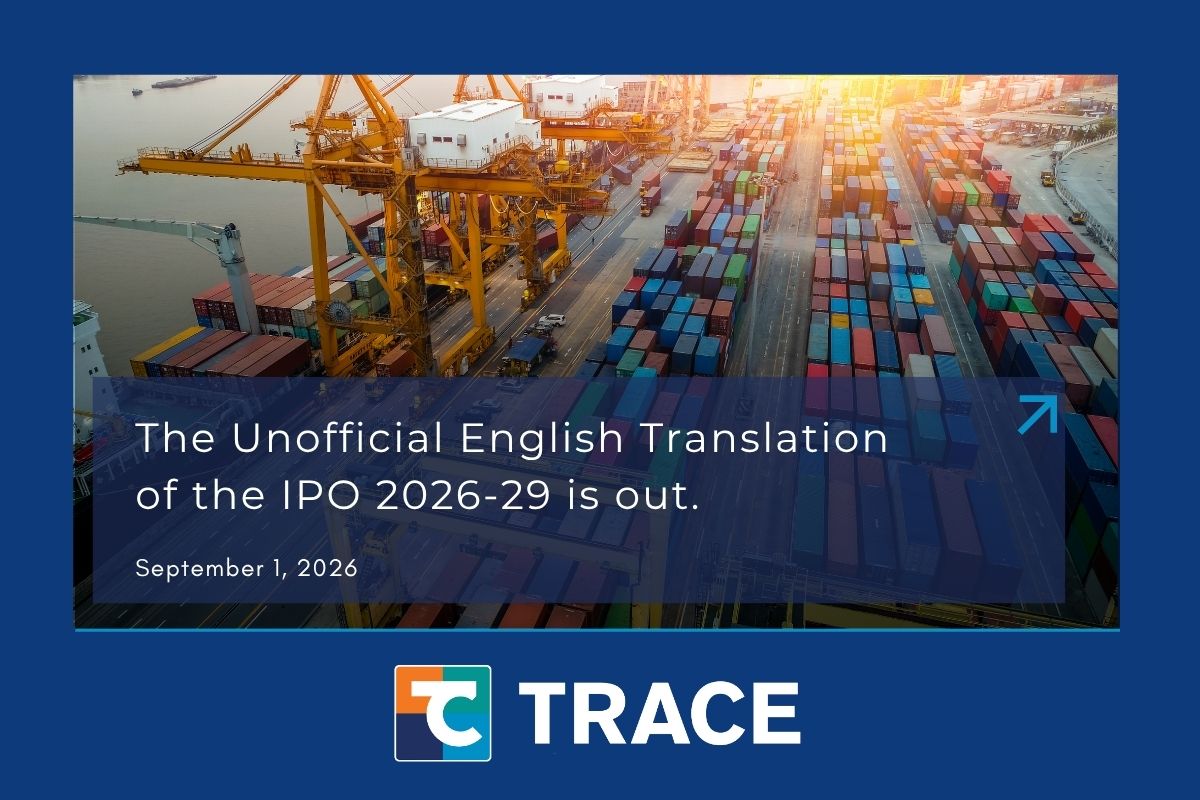
Import Policy Order (2026-29) Unofficial English Translation
 ARTICLE
Beyond Tariffs Lies Bangladesh's Biggest Trade Opportunity
 EVENT
EVENT
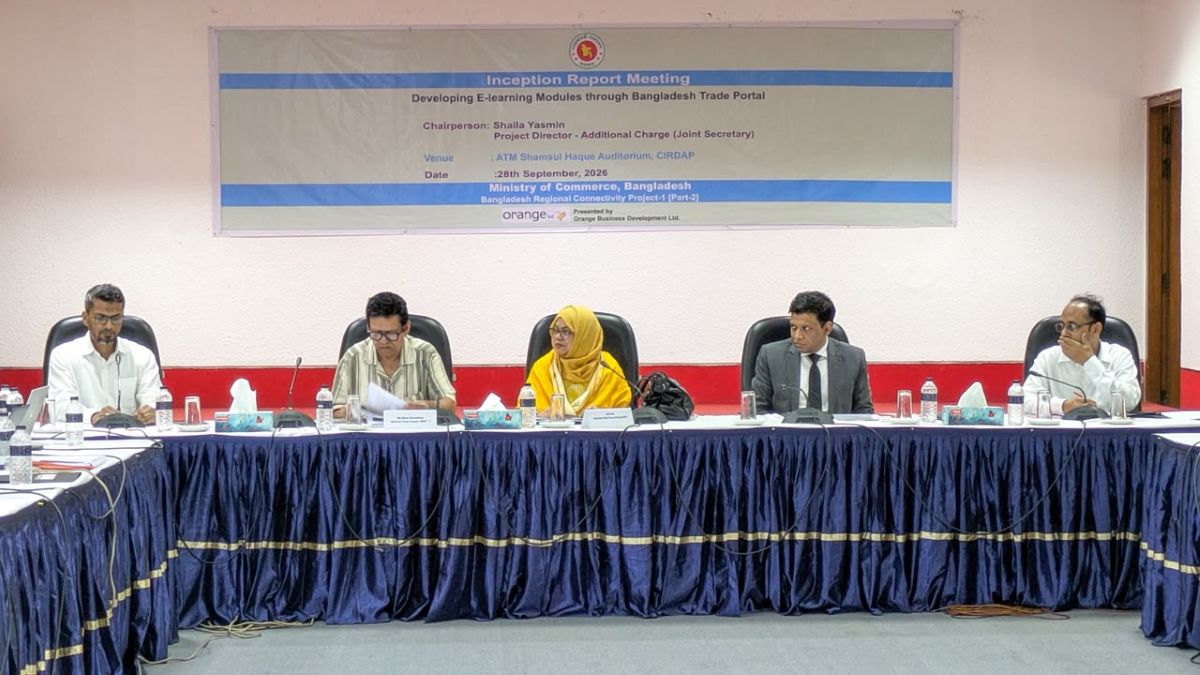
TRACE Consulting organized the Inception Event for the Ministry of Commerce’s Bangladesh Trade Portal E-Learning Modules
OUR PARTNERS