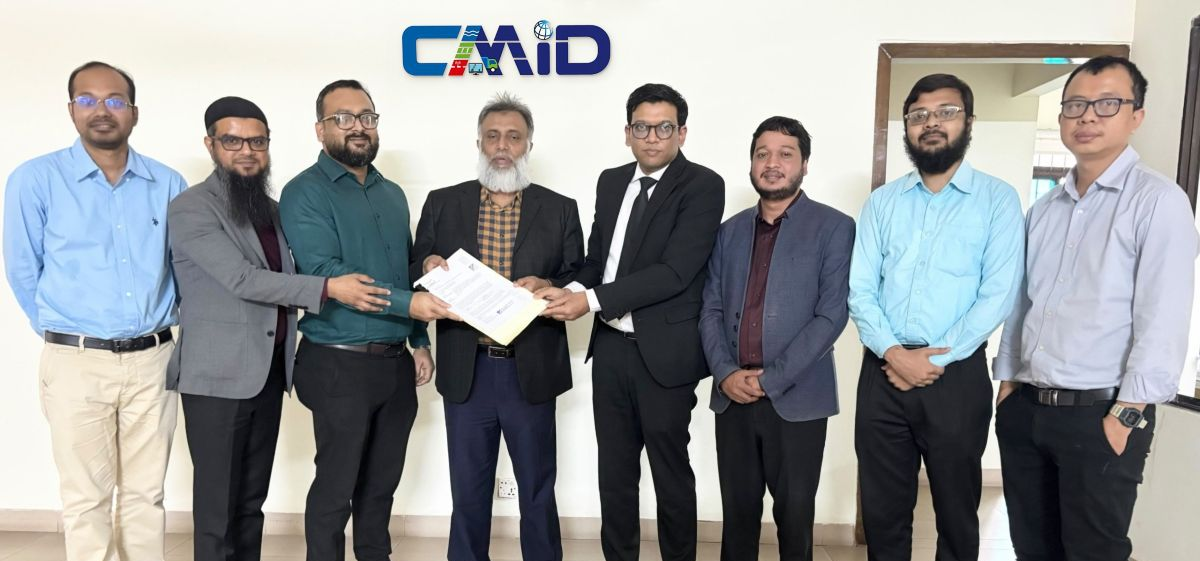
TRACE Consulting has signed the contract for the Time Release Study (TRS)
Time Release Study at Key Custom Houses: Strengthening Evidence-Based Customs Modernization in Bangladesh
TRACE Consulting has signed the contract for the Time Release Study (TRS) at key custom houses of Bangladesh (Package SD-13) under the Customs Modernization and Infrastructure Development (CMID) Project of the National Board of Revenue (NBR), financed by the World Bank under ACCESS – Bangladesh Phase 1.
TRACE Consulting will contribute to the assignment as a sub-consultant to the TTT Global-led JV. Mr. Md. Masud Sadiq, Senior Trade Facilitation, Customs & Trade Policy Lead at TRACE Consulting, will serve as Team Leader.
The signing marks another important milestone for TRACE Consulting as the firm expands its work in customs modernization, trade facilitation, and evidence-based regulatory reform.
A Milestone for TRACE Consulting
A time-release study is more than a conventional survey. It combines detailed understanding of customs and border procedures, application of the World Customs Organization (WCO) TRS methodology, large-scale field and system-based data analysis, and extensive engagement with customs, regulatory agencies, port authorities, and the trading community.
TRACE Consulting brings experience in customs modernization, digital trade systems, regulatory reform, and trade facilitation, together with senior expertise from former NBR leadership and professionals who have worked on major international development programs.
The assignment builds on this experience and strengthens TRACE Consulting’s growing portfolio of trade facilitation and customs reform work.
Why the Study Matters
The 2022 Time Release Study found that average import clearance took approximately 11 days at Benapole, 12 days at Chattogram, and 8 days at Dhaka Airport. Around 72%–78% of total clearance time was associated with importers and brokers obtaining and submitting documents from regulatory agencies and other relevant stakeholders.
The new assignment will assess what has changed since 2022, review the implementation of earlier TRS recommendations, and examine the impact of ongoing modernization initiatives, including the Bangladesh National Single Window, which is operational.
The assignment also supports Bangladesh’s implementation of Article 7.6 of the WTO Trade Facilitation Agreement, which encourages Members to periodically measure and publish average release times.
Key Deliverables
The assignment will run for 21 months, covering baseline, midline, and end-line TRS cycles across six key customs locations.
- Six customs locations: Chattogram Seaport, Dhaka Airport, Benapole, Bhomra and Burimari Land Ports, and ICD Kamalapur, Dhaka.
- Release-time measurement: Measure overall and process-level release times for selected imports and exports, including food products, pharmaceutical raw materials, garment raw materials, capital machinery, green vegetables, apparel, leather goods, and pharmaceuticals.
- Progress since 2022: Assess implementation of the 2022 TRS recommendations and measure changes in clearance performance.
- System and process analysis: Use field data and system-generated information, including ASYCUDA World timestamps where available, to identify delays and bottlenecks.
- Bottlenecks and remedial measures: Identify redundant steps and procedural constraints and recommend practical measures, including service standards and process improvements.
- Stakeholder engagement and validation: Engage customs, regulatory agencies, port authorities, and private-sector stakeholders through consultations, training, validation, and dissemination activities.
- Implementation monitoring: Support systematic tracking of TRS recommendations, responsible agencies, timelines, and progress.
- Sustainability: Develop lessons and recommendations to support regular and institutionalized TRS measurement beyond the assignment.
Strategic Focus
The central focus of the assignment is turning measurement into action. The baseline, midline, and end-line studies will provide NBR and partner agencies with evidence on where delays occur, what reforms are working, and where further intervention is required.
Faster and more predictable cargo clearance can reduce trade costs, improve transparency, and strengthen Bangladesh’s competitiveness. Reliable measurement provides the evidence needed to make those reforms targeted, practical, and measurable.